Photographing as One Who Stays. A Conversation with Alex Almeida
Text by Ana Cichowicz
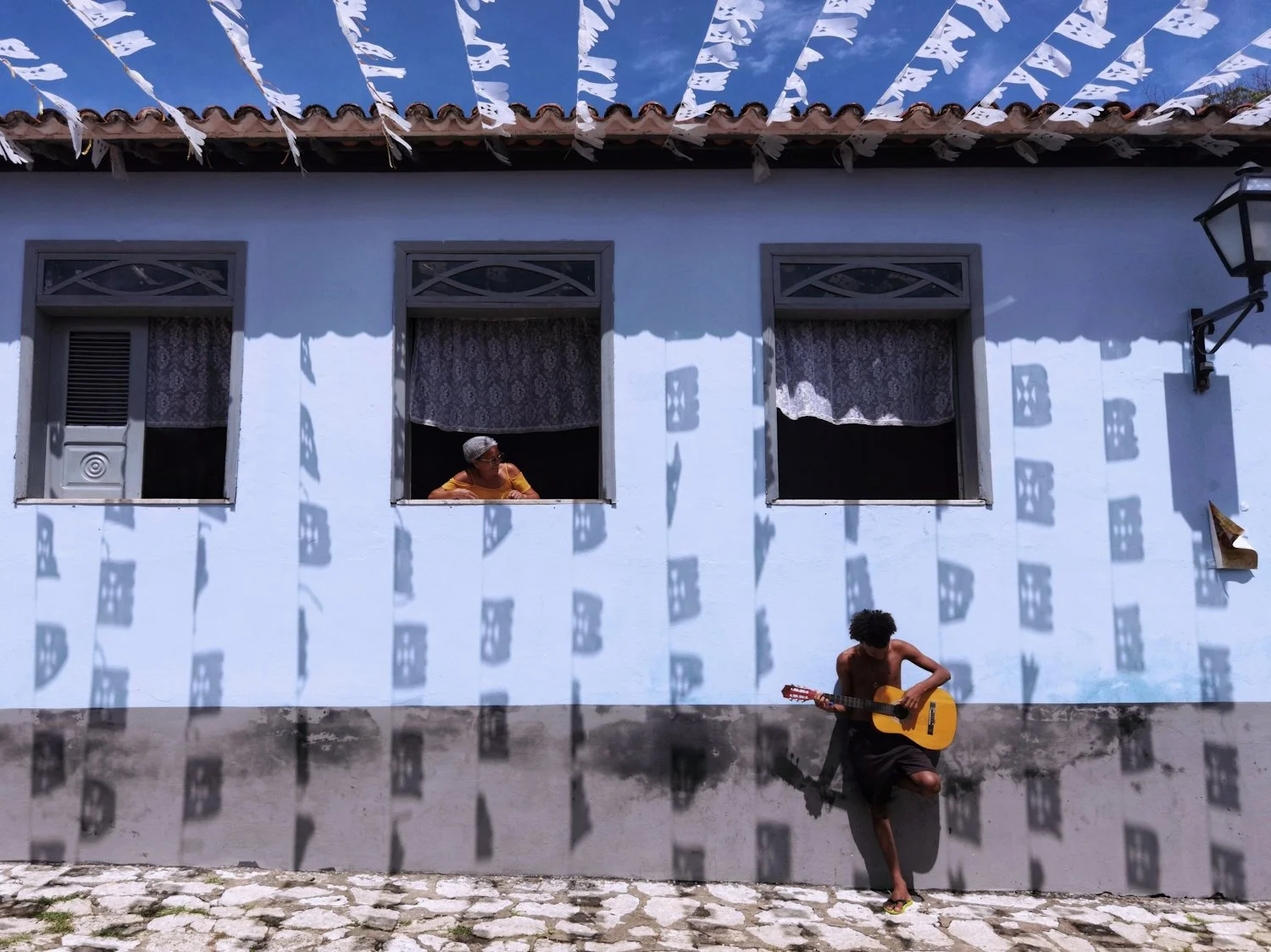
The photography of Alex Almeida does not begin with the click, but in the waiting that makes it necessary. A journalist by training, an award-winning photographer, he passed through the great Brazilian newsrooms before abandoning “the industrial time of news” in search of another rhythm, more dilated, one that lingers not only in the act of making the image, but also in the interaction with the people who, in his photography, are never objects, but always subjects.
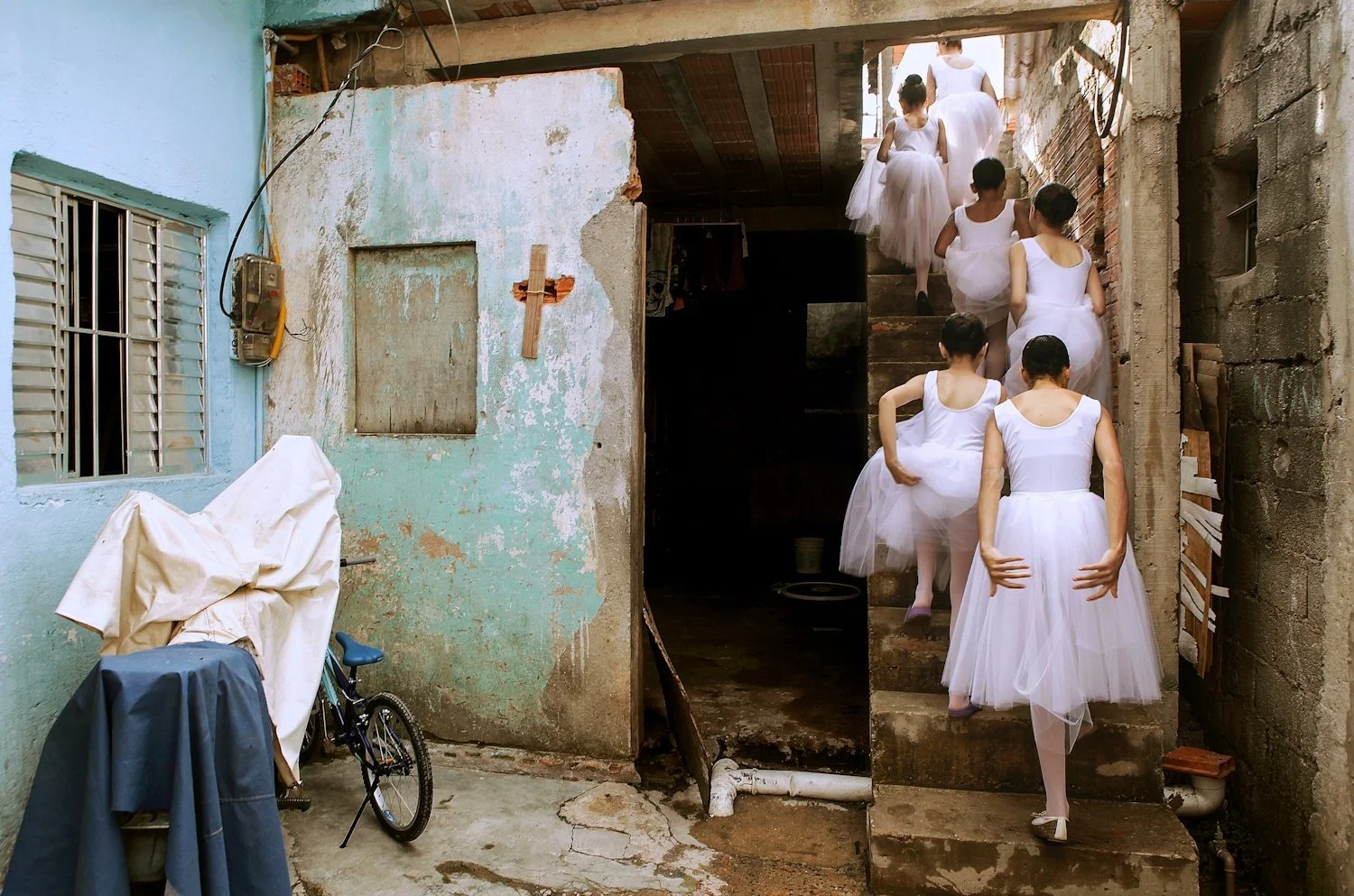
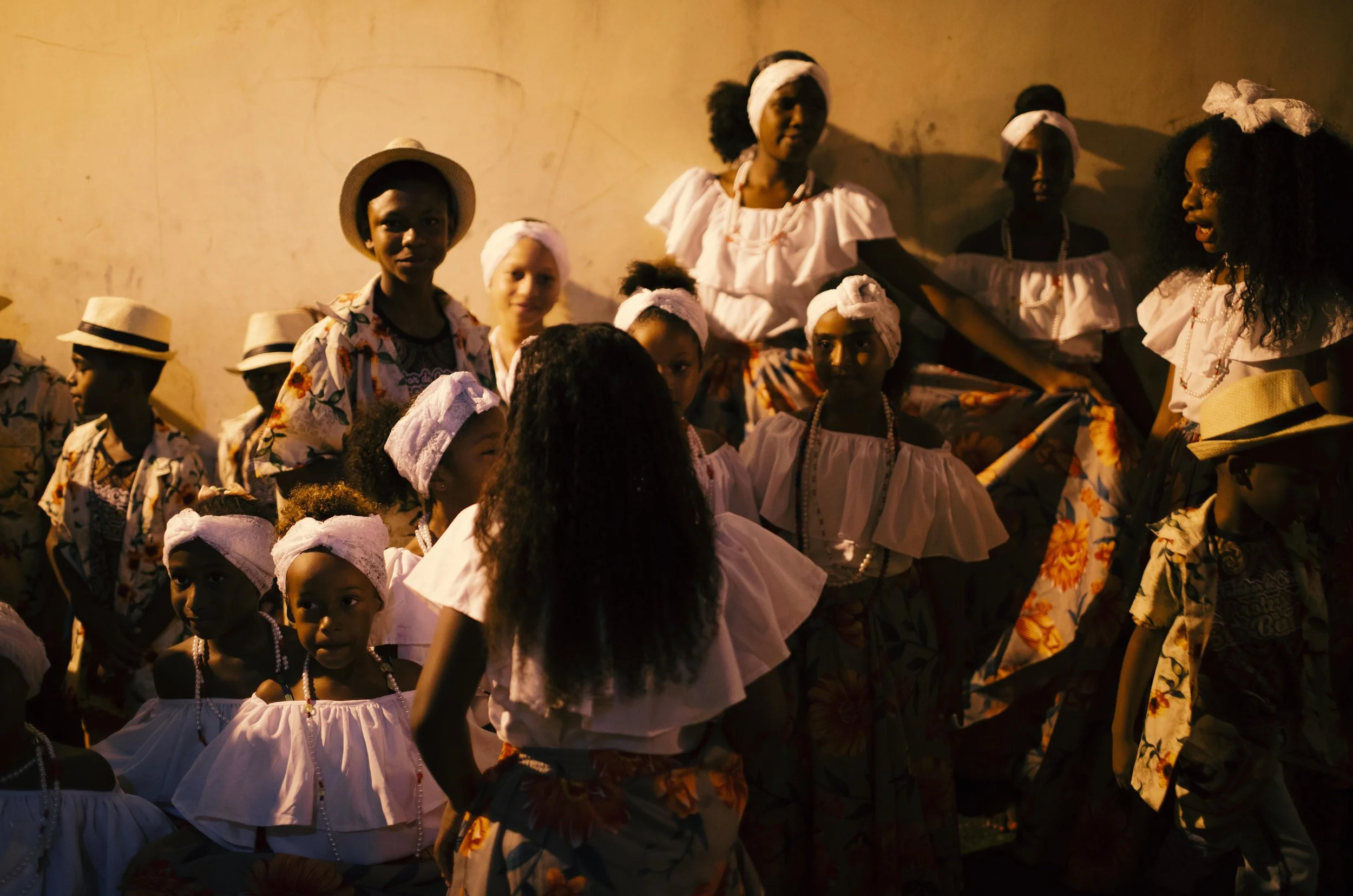
As Bailarinas de Paraisópolis [The Ballerinas of Paraisópolis*], his most celebrated image, became one of those rare photographs that escape their author and begin to belong to the collective imaginary. It traveled the world, was shared thousands of times, exhibited in various countries, inside and outside Brazil. This photograph, however, is one image within a much vaster project. For decades, Alex has moved through terreiros*, quilombos*, indigenous villages, sambas* and other contexts of popular socialization, between the Amazon and the Brazilian Northeast, building an essay always in progress on Afro-diasporic cultures and the peoples whom "official Brazil," as he names it, never stopped trying to erase.
From the vast territory that Alex's work opens, I would like to traverse two paths that seem to me central. The first concerns Alex's practice with the camera and his mode of being in time. The second concerns the fact that Alex does not let us forget that a photographer, before anything else, is a member of the polis — someone whose framings, positionings, and ethical choices contribute to the construction of the very nation he photographs.
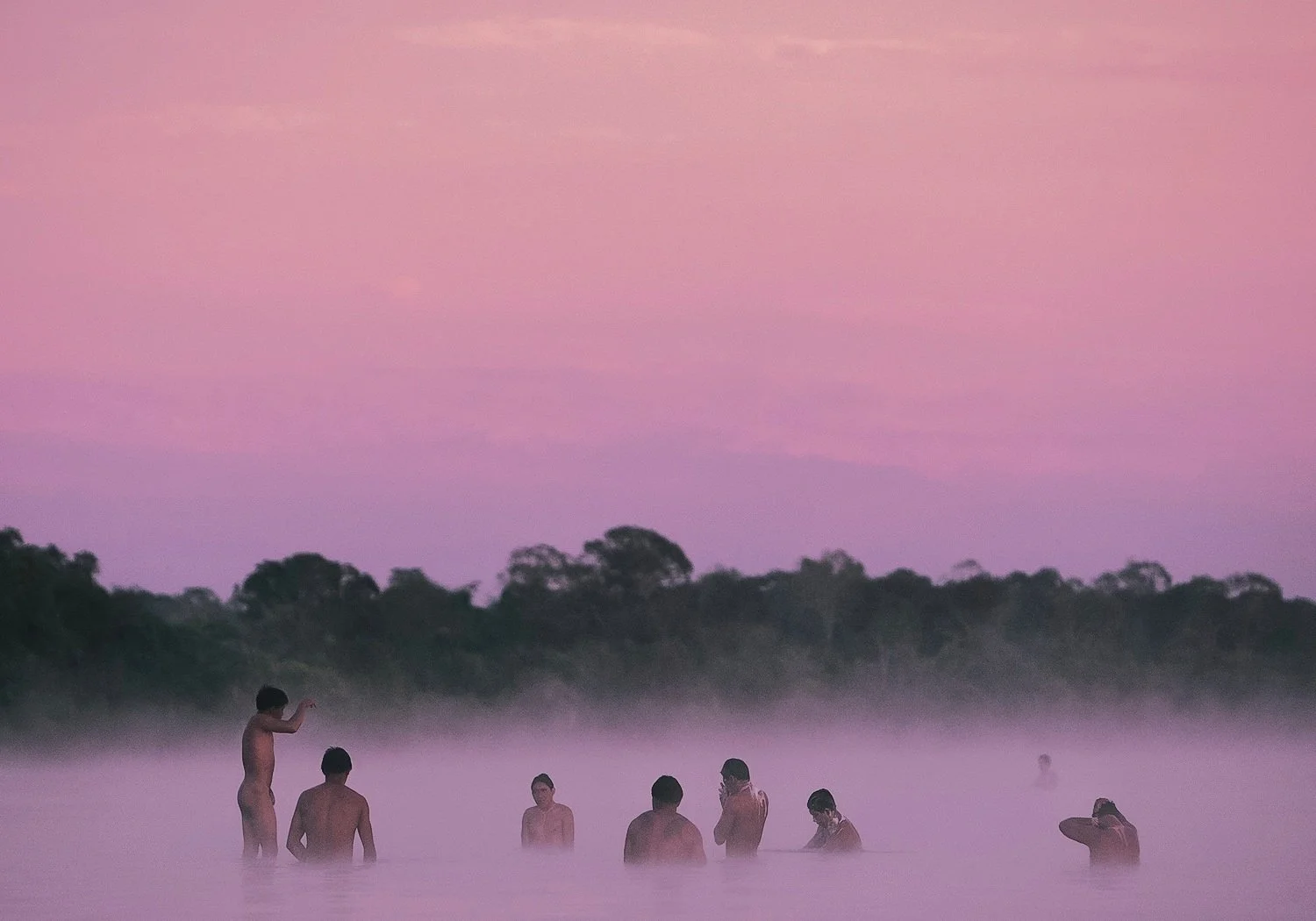
On the first point, there is, in Alex's practice, a refusal of clock time — time that is measured, that is lost, that demands results. The time of newsrooms, of deadlines, of social media, of the image that ages the moment it is published. Time as an arrow moving toward something, Krenak would say. This refusal, however, is not empty, but proposes an alternative in its place: a non-linear, non-cumulative time, one not measured by advancement so much as oriented by a kind of densification.
When Alex says that photography rewards the stubborn — that is, the one who insists on staying in a place because he has read signs that something might unfold there — he is sustaining a practice of attention, a making-oneself-available for the instant in which the visible reorganizes itself. This does not mean that such waiting will necessarily gift the photographer with anything, just as the fisherman who sees in the river signs of passing fish and waits patiently may also, without regret, end up having to eat something else for dinner. But the point is: the waiting here is not instrumental, it does not organize itself around a result, but operates as a field of availability where the event may, or may not, take place.
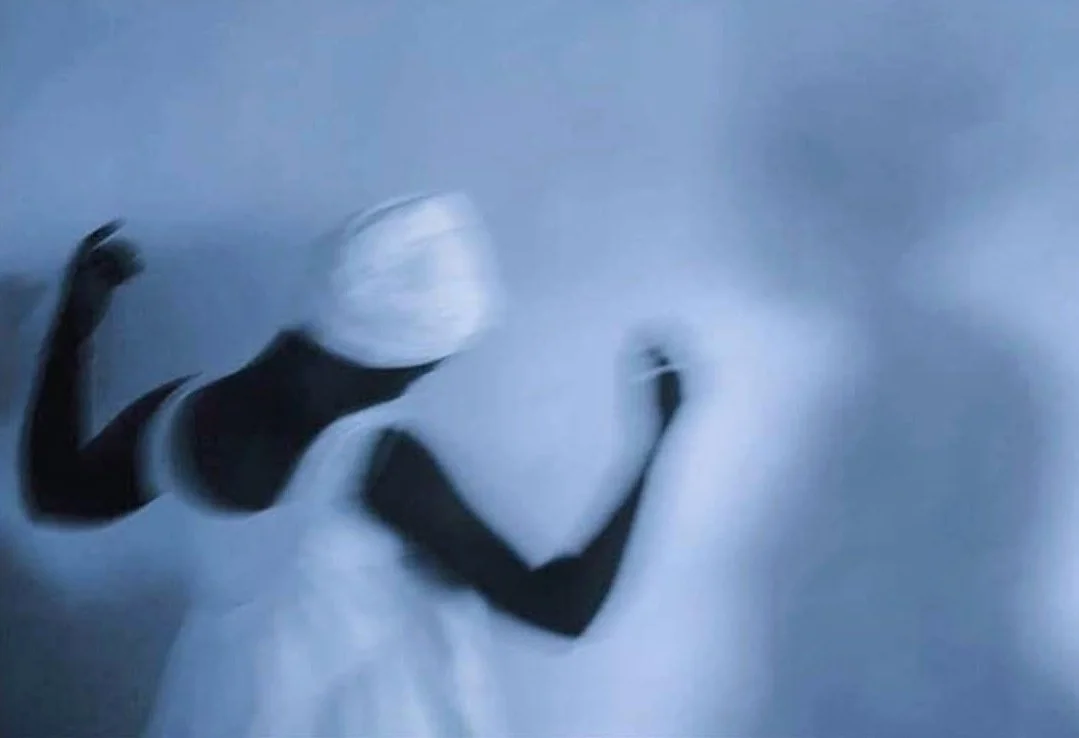
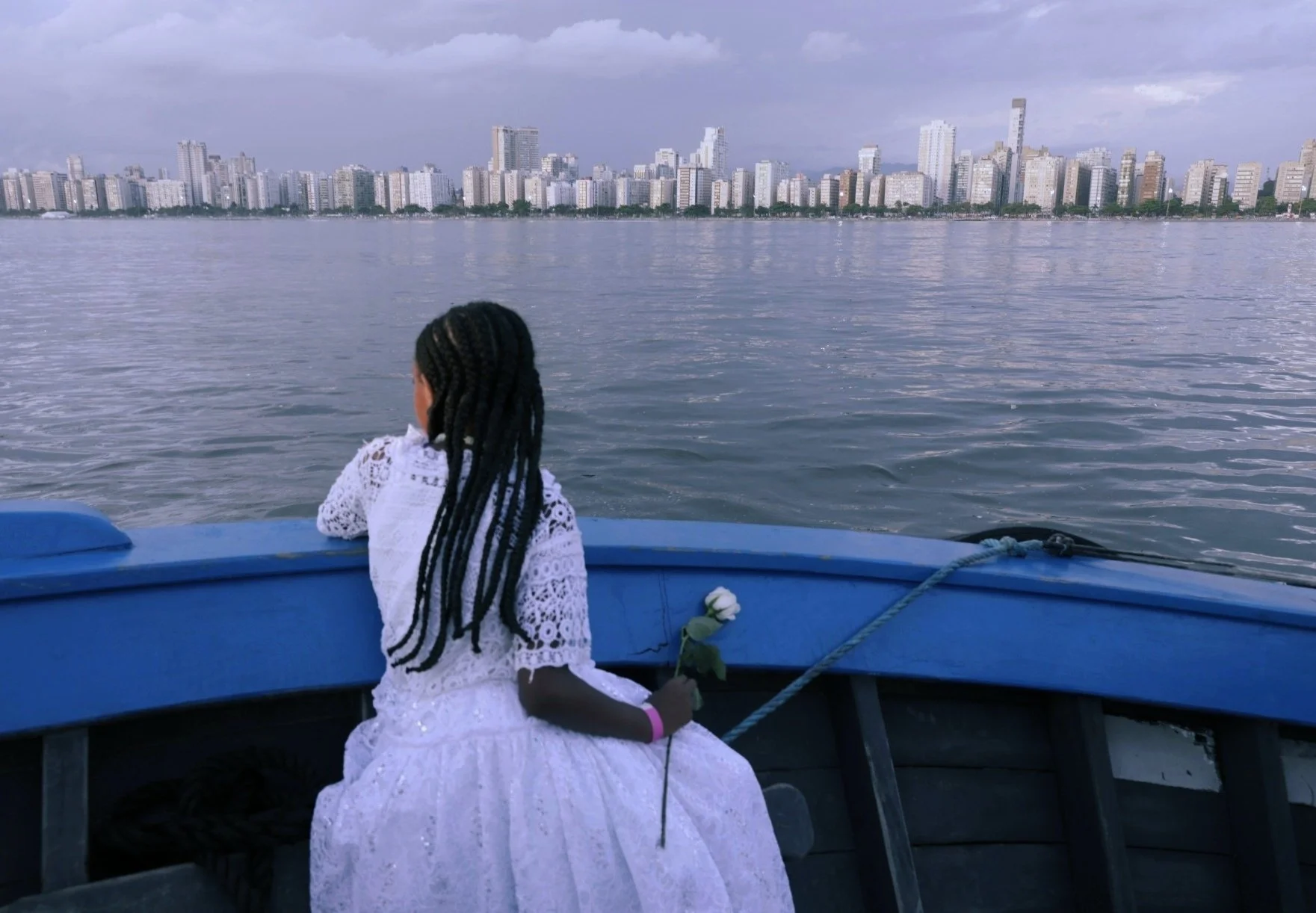
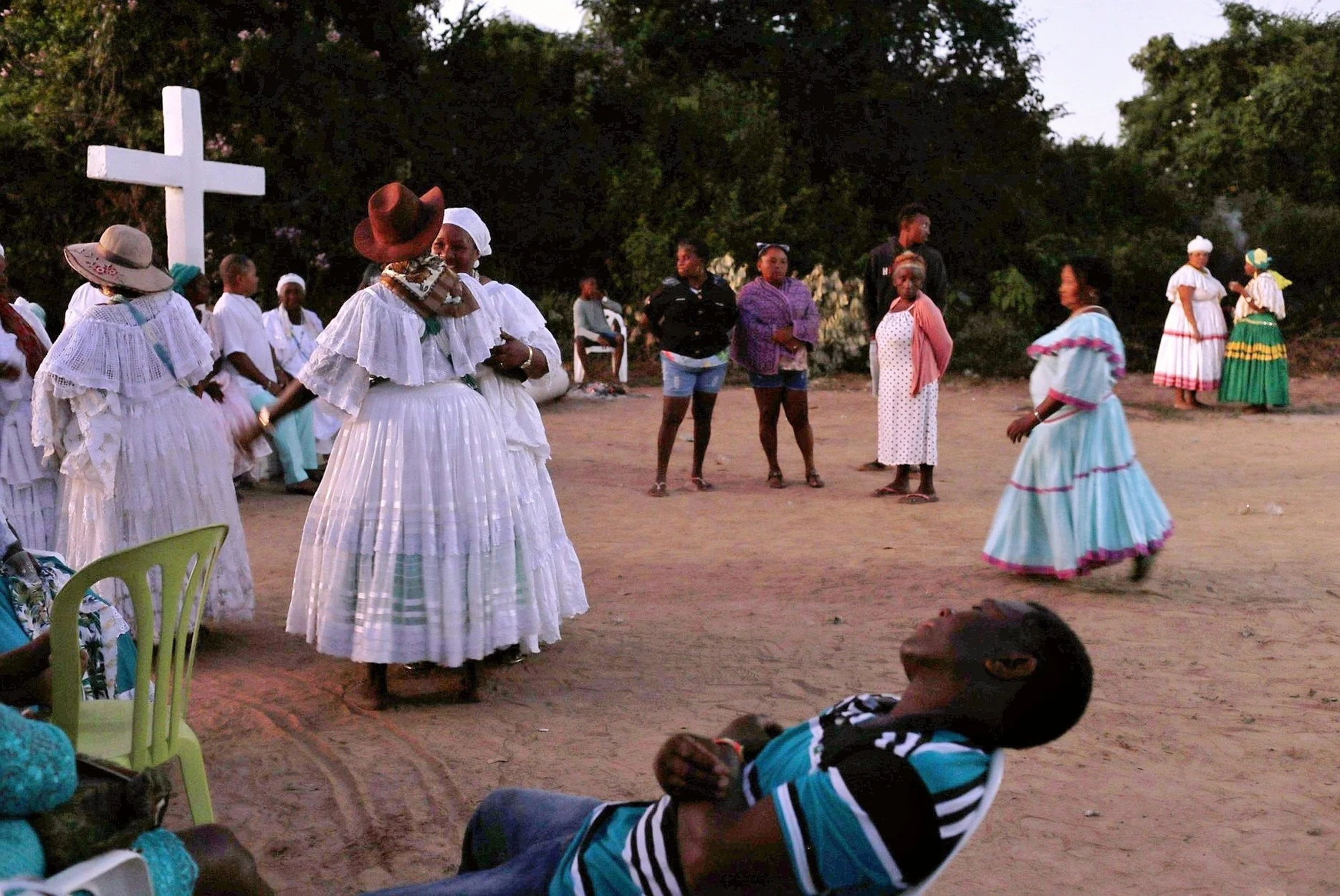
This other temporality that Alex strives to inhabit ultimately allows his work to be not merely the site of information, of a subject, of a theme, for whoever sustains this permanence is no longer entirely outside what he photographs, tending to become enmeshed in the same regime of forces. In the case of ritualistic contexts, when photographing subjects in a state of trance, for example, Alex and his images are contaminated by the atmosphere in which the photograph was made. The image expands beyond the lines of the bodies and enters trance as well. These are images that operate through density, through the accumulation of layers, through what within them remains unresolved.
But this staying is not merely an aesthetic matter. And it is here that the second axis emerges: the photographer as social subject, as part of the polis, who does not simply hover above society photographing what happens, but inhabits that society and whose actions contribute to the way it will — or will not — configure itself.
When Alex says that "we live from the street," he is saying that we not only circulate through streets, but are constituted by what the street is, and it is we, in our everyday practices, who make it. The street, that public space, place of common decisions, space that should be habitable by all citizens and in which all should have the power of choice through democratic processes.
The communities and people with whom Alex commonly works were and still are victims of countless practices of violence and annihilation. Alex knows this, speaks about it openly, continuously repeats what we cannot forget. He speaks, but he also makes of his photographic act a site of resistance, one that acts contrary to extractivist and exoticizing practices, for he does not wish to repeat the colonial logic that has historically plundered and destroyed so many bodies and knowledges.
Alex photographs, speaks, writes, shows; but also listens to those with whom he works. He is open to understanding the Other, their mythologies, cosmologies, desires, practices. And it is in this listening that something shifts. Because, contrary to a tradition that made of photography a gesture of capture, of appropriation of the other, what one sees in Alex's work is rather an attempt at relation. The image ceases to be that which is taken and becomes that which is made-with: with time, with places, with people.
ORIGINS AND LANGUAGES
Alex, you have said that you came to journalism motivated by a desire to write. How did the transition to photography happen? At what point did you realize it would be your primary language?
Back then, I had a romanticized view of journalism. My paternal grandfather was a man of letters. He published poetry in newspapers. I grew up in an environment that didn't make room for art. There isn't even a record of his work, because nothing was ever considered worth preserving. But I grew up in the 1970s and 80s drawn to art.
Just after turning ten, I began playing the cavaquinho*. Samba took me to the street. The night became a whole universe of work and discovery, beyond the family home.
It wasn't long before I was moving through sambas and terreiros, the natural path for someone forming a peripheral personality. The bars, the parties, the revelry. Watching everything unfold.
Later, already working professionally in music, writing pulled me toward journalism. Maybe out of a desire to engage more directly with social issues.
But when confronted with the daily reality of journalistic practice, I felt it was a space of bureaucratic writing, with creativity tightly constrained. Not that dream of New Journalism, with Gay Talese at its center. That blend of literature and reporting, a literary way of telling stories.
Around that same time, the university offered workshops in related areas. Radio, TV, photography. I enrolled in photography, more out of artistic curiosity than any serious ambition.
I remember the feeling when I first held Outras Américas, by Sebastião Salgado, in my hands. It was indescribable. To know, or perhaps to recognize, something there.
In those same days, I also heard the name Magnum Agency for the first time. Then came Bresson, Brassaï, Koudelka. After that, I started finding the Brazilian tradition. Revista Realidade, O Cruzeiro*. José Medeiros, Marcel Gautherot, Jean Manzon, Verger. And later, Walter Firmo, who revealed a universe much closer to my own, with surprising color and emotion. From there…
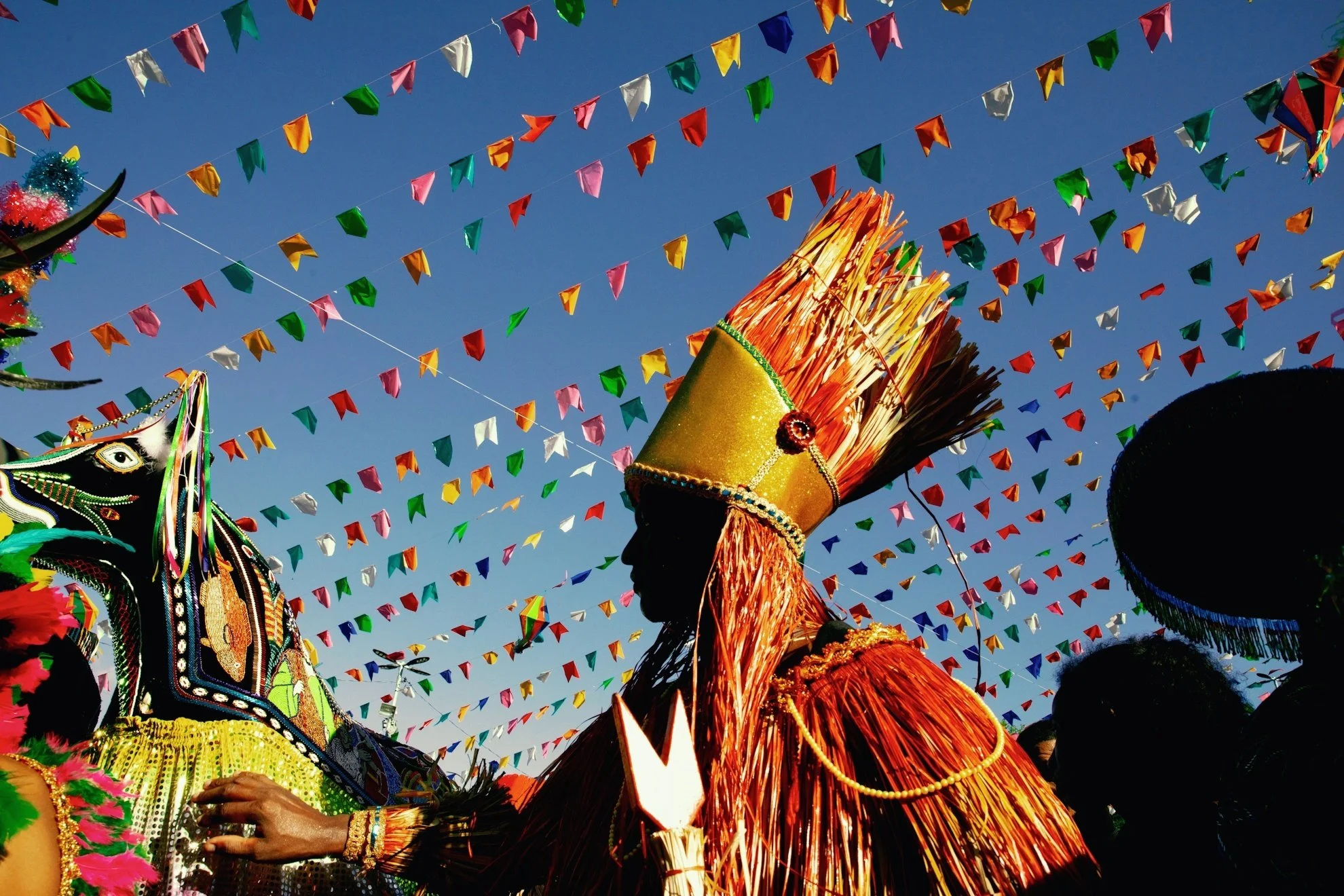
You mention that you left the major newspaper newsrooms in search of a better relationship between effort and sensibility. How did this editorial autonomy change the way you compose the frame and choose your themes?
I sensed a structural deficit of identity within major Brazilian media outlets. Perhaps that was not the right place for the subjects I had in mind. Still, it was a period of deep, empirical learning in photojournalism.
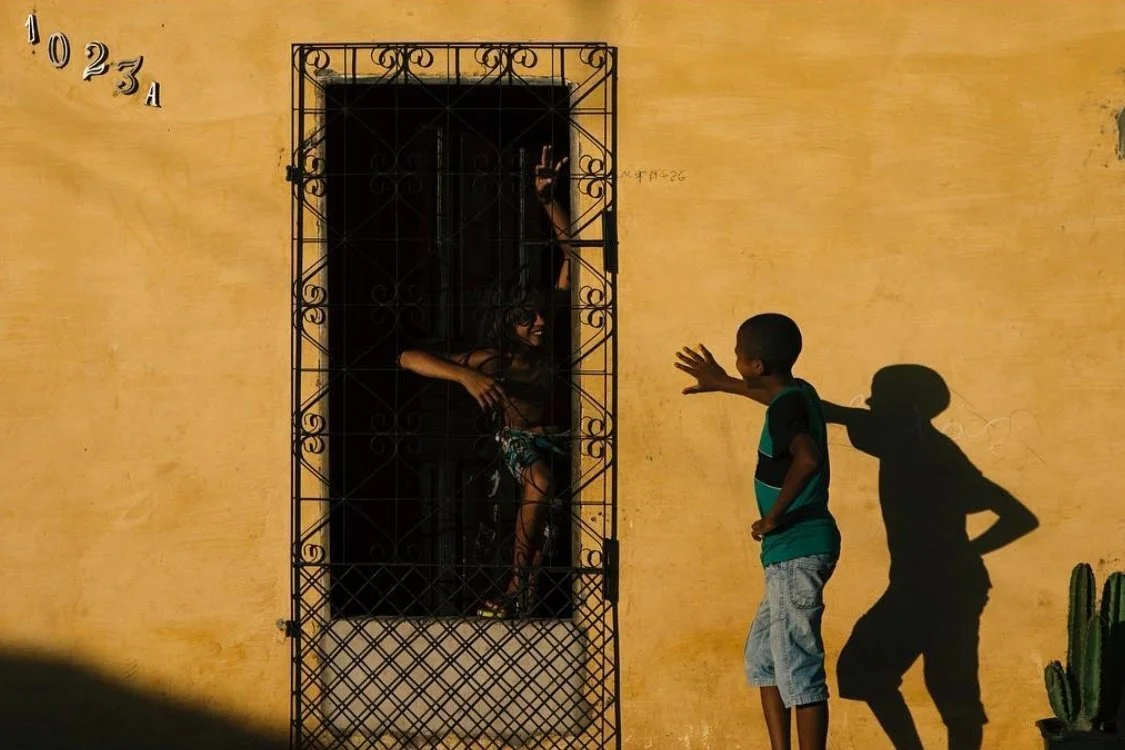
We photographers are full of stories to tell, because we live the street. We live from it.
After some time in the newsrooms, I set about devising my own stories. A kind of transition from photojournalism to documentary photography, incorporating as many senses and layers as possible. It is not a simple transition, because the verve of photojournalism is very strong. But I began to reconcile the two. When I stopped working within the industrial time of the newsroom and began working from my own elaborations and plans, I arrived at a peace I made between these two modes of being — photojournalism and documentary photography: it is not an informational photograph, but it holds a great deal of information.
What defined this phase was the photograph As Bailarinas de Paraisópolis.
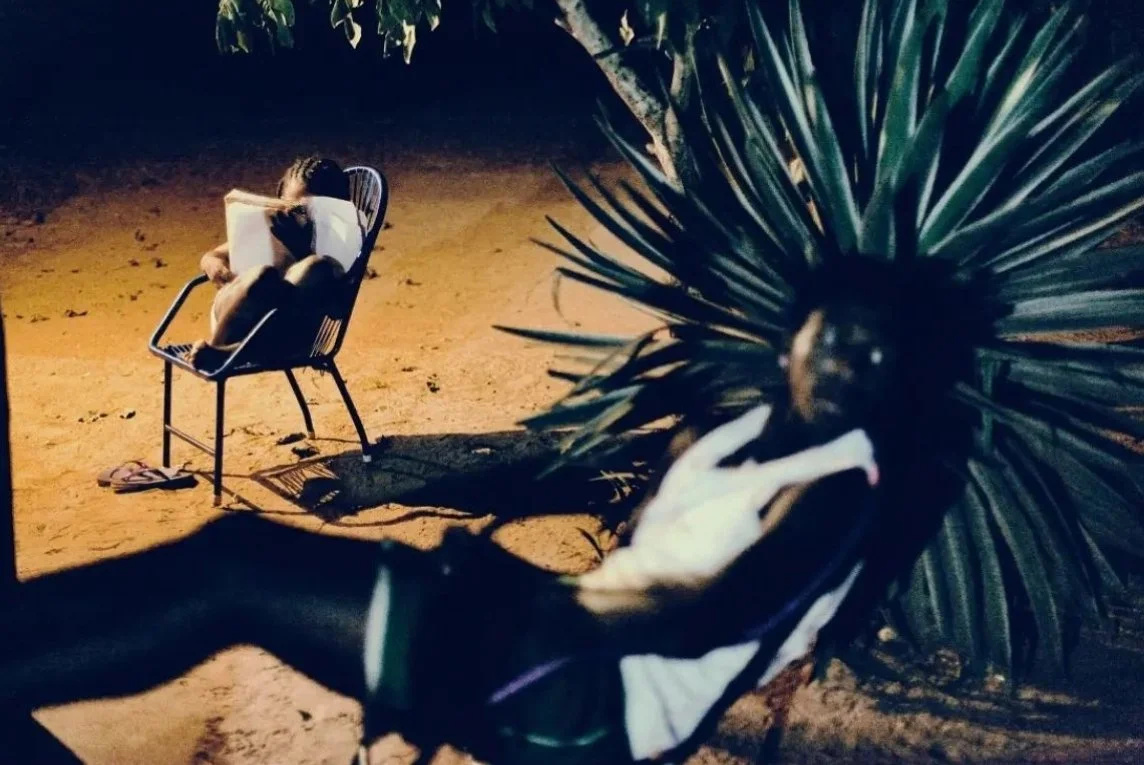
You say that "photography rewards the stubborn." Looking at your photographs, we notice they have a temporality of their own. These are not images made by someone who got lucky, but by someone who waits. Can you speak a little about your process when you are with the camera in hand, loose in the world? How does this waiting work?
A good photograph is always the reward for conscious patience. Haste conspires against it. It is the enemy of the profession.
In this shift toward working on my own terms, I returned to themes that were already part of my world: the sambas, the terreiros.
I have always had a profound admiration for people who were central figures, who set their communities in motion by putting culture into the street. And this circuit took place largely outside the central spotlight.
So I began ordering my subjects more deliberately, moving deep into the Amazon and the Brazilian interior, broadening my understanding of society itself. No longer thinking of my photography as the synthesis of a news image to illustrate a newspaper text, but as a body of images that could sustain a deeper narrative.
You have a very beautiful phrase about your photographs: “I did not make them… they are what make me.” How is this process of being transformed by the images you produce?
I am always wary of falling into romanticism, or into my own sophisms.
When I say I did not make them, what I mean is this: I have no control over whether it happens. "I'll go there and it will happen!" No. Sometimes it doesn't happen at all. Or there is the doubt of whether the photographs are good enough, worthy of a certain story. Reality imposing other ways of being. And that is fine.
When I say "they made me," it is a kind of trajectory without a script, the paths that were guiding me.
Later, in the curatorial process of my own work, the photographs begin to take shape. A way of binding one image to another, to give form to a larger essay on the same theme. At that point I am already thinking about color, how it works as a whole.
And regarding this difference between what we photograph and what we later choose, over time I became very restrained. Both in photographing and in publishing. I imagine people do not know even 5% of my work. Perhaps precisely because I conceived it as a coherent whole.
In the field, there are always sensations of pleasure in the craft, but also the natural suffering of the road's demands. I have always been curious about particular worlds, making the most of time to see as many things as possible. I want to know the street market, the oldest barber, how people work, how they have fun, and so on.
The years of the profession also bring us, as photographers, a growing understanding of how to mobilize semiotics, to bring in critique, humor, synthesis.
Another factor that always challenged my perception was this: the opportunity to tell, from a tree suffocated beneath the asphalt of a metropolis, the story of environmental devastation. Or in other words, how to bring universality to subjects.
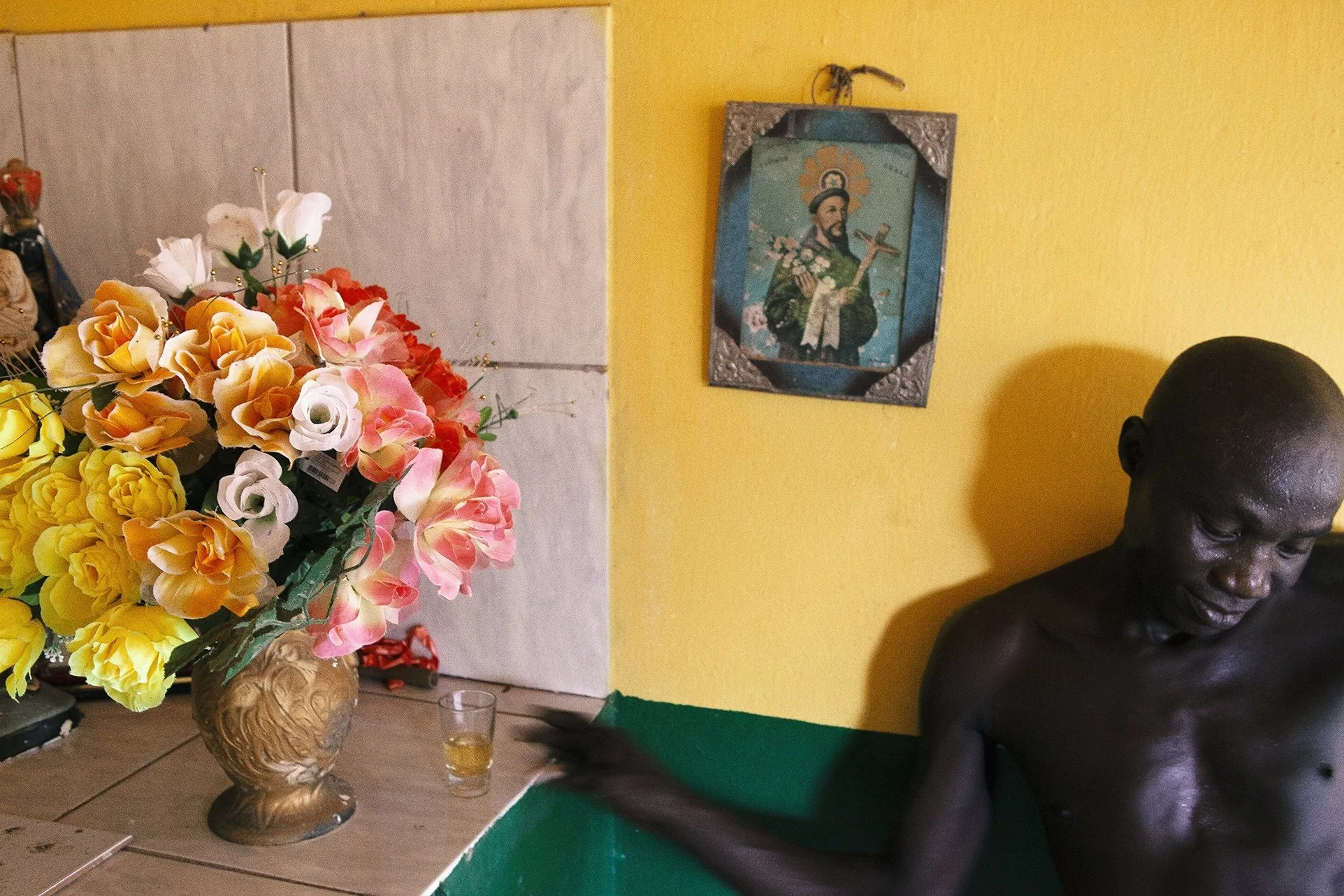
ANTHROPOLOGICAL SENSIBILITY
You have a very refined anthropological sensibility, both in the way you develop your projects — investing in fieldwork — and in an ethics of the gaze that does not objectify the other. You have mentioned that an anthropology course at university had an impact on your formation. What did anthropology teach you about photographing people?
There are two important things here.
Anthropology took me off a shallow path, where I began to organize my own ignorance. A common lack of knowledge born of immaturity regarding different ways of existing in the world. And it directed me toward the richness of these differences.
But I am a "researcher" outside academia. I find Brazil such a continental, rich, complex place... an 'unresearchable' place, I would say. No one can claim to know Brazil. No politician, no journalist, no photographer.
So, based on anthropological premises as a method, respect for difference is the guiding thread.
Colonialism, embedded in all relations and forms of meaning, brings the following scenario: what we should protect and value, we despise. In our bubbles of urbanized experience, as a society we evade the responsibility, in this era, of thinking about how to share the world with one of the largest Indigenous populations on the planet. The conflicts that arise from these conflicting interests are mediated by the State, with little or no empathy from civil society.
For example: how to awaken environmental interest and literacy in a child or even a young person to the fact that we live in a country with 250 Indigenous languages, and we once had 1,000!
Due to the flagrant deficit of identity in a colonized society, the school system will hardly foster a sense of citizenship. And more importantly, the immense challenge of our era, amid all these complex processes of maintenance and destruction, becomes compromised.
Although the question of alterity touches on deeper questions such as family education and class consciousness, anthropology contributes to an understanding of these human differences. Not as a form of distancing, but as a value.
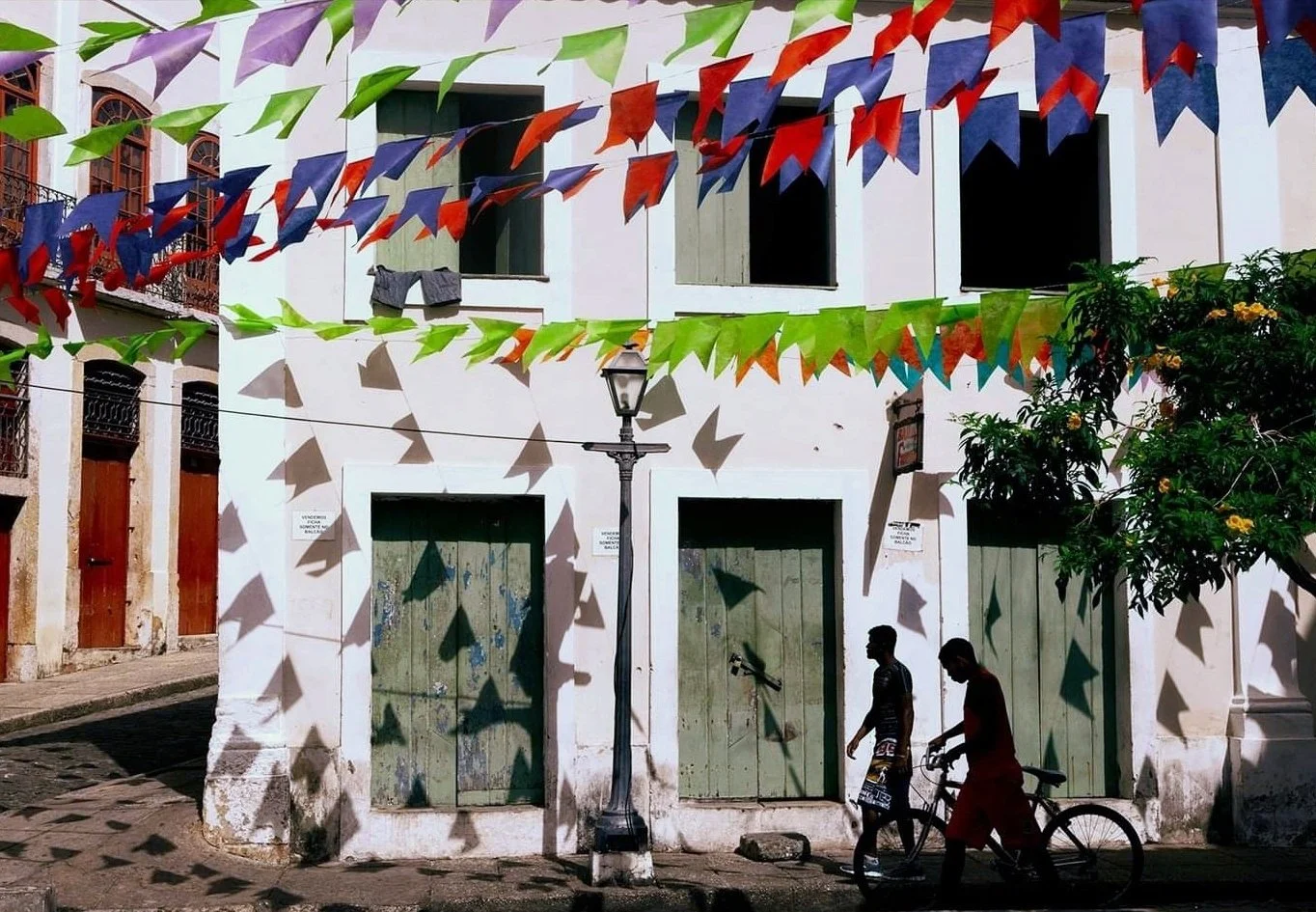
Anthropology and photography have a complicated colonial past. How do you ensure that your images of terreiros, quilombos, and villages do not reproduce that gaze? Is there an ethics that guides your decisions? How do you avoid the exoticization of these contexts?
Yes. We are in a markedly colonized country. Still. Living under structures that reproduce these logics.
There is a case of blood theft from the Yanomami people in the 1960s. American scientists collected thousands of Yanomami blood samples without adequate consent. Some ten years later, after a long diplomatic battle, the United States returned the samples kept in university drawers. In Yanomami culture, the absence of the blood prevented the spiritual rest of their people. An example of the historical plunder to which so many silenced peoples in Brazil are subjected.
A critical understanding of the historical process of genocide and all forms of violence to which these peoples are subjected is necessary, in whose home we are standing. Not entering into a pact with this view of History means beginning wrongly. This is a starting point: to know that these peoples have a colonizer that is their own country, Brazil, with the State as their executioner.
So these territories cannot be thought of or accessed as places of leisure. Or as an exotic, mystical experience, as a form of adventurous entertainment.
Specifically regarding us journalists, photographers, communicators, or thinkers in general, we should all, as a class, be partners in these struggles. But that is not quite how it is in Brazil.
What comes first is a vision of social ascent where everyone emulates money. Everything else is Utopia or exaggerated ideology.
It is partly for this reason that we are one of the places in the world where environmental activists are killed in the greatest numbers.
The Brazilian reality of dialogue between these worlds, therefore, offers no good news. And it stems from the citizenship deficit of the average Brazilian, and their fractured sense of identity.
So all these social strata end up entering into relationships with these peoples. Some more reclusive and protected, others whose access has become easier today.
I notice that these are relations based more on the curiosity about being there and less on joining their struggles. The classist vision common in Brazilian society that treats as folklore what does not resemble its own class reality. "To folklorize" is a reductionism and explains the losses these communities have had in the historical process. One reduces in order to strip away humanity. Once reduced, their rights will easily be destroyed.
Nothing is folklore. They are living forces in society.
Also, another issue to be overcome is that media professionals or researchers from other fields who work with these communities are often the children of these colonial structures common to Brazilian families. So history repeats itself, but now in the form of news stories or photographs.
One example. The Indigenous person is not defined by their plumage.* Much less should they be understood through the appeal of the exotic stereotype. What defines them is ethnicity, ancestry. A flip-flop or any other object does not diminish their existence in the slightest. I notice that there is no such policing for the white man who consumes Japanese or Arab food.
So unfortunately the Brazilian people still do not have this awareness. And for us journalists or photographers who are occasionally involved, it falls to us to build partnerships, always conscious of the oppressions tattooed on our skin as historical aggressors.
With all this said, the level of environmental literacy, identity, and ethics of respect is strikingly deficient. So these are processes that go beyond merely the decisions of our camera shutters or the cynical thought that we are here to "save."
With all of this established, there exists a Brazilian culture of estrangement from its own people, still to be overcome.
When you are in the field, how do you understand your presence in relation to those you photograph? What guides the moment when you choose to photograph, and when you choose simply to be there?
I think that, first, these photographs are also a place for listening. It has to be this way. Before being photographs, they begin as an exercise in listening, in respect. So, a time for ideas becomes necessary. However much prior knowledge we may assume to have, we need to learn about the moment, about the people. Only then do we begin making the images.
This is because we are in someone's home. More than that, these are places whose memories are marked by conflicts and tensions, with the surrounding society invariably acting as their executioner.
In this context of our presence within these particular worlds, today a new and important dynamic is emerging: the very representatives of these cultures telling their own stories. Certainly far more potent than anything we can produce ourselves.
An Indigenous photographer, for example, has more relevance in telling their own stories. So it is also time to decenter protagonism, to cede power, however small it may be.
We can be partners. Never the architects of definitive ideas or spokespeople for their dreams and anguish. Therefore, the "how to be there" is as important as, or more important than, the "outcome" of being there, I think.
And the rule is always what is consented to. What does not offend in the slightest the freedom or dignity of anyone. An excellent photograph that compromises someone's dignity is condemnable.
Trance appears as a central element in some of your work — in the terreiros, in Tambor da Mata*, in Encantado*. How do you photograph in these liminal moments? How do you portray the immaterial?
With sensitivity. Often with an intuition for silence, even when there is a profusion of things happening.
Specifically with the povos de santo* it means knowing the limits of what is worthy of the community, at the expense of a supposed result for the one making the image.
Then there is the need for self-preservation. This logic gave many communities the conditions for survival in the face of religious repression and racism, historical marks of Brazil.
Afro-diasporic cultures were cowardly repressed, especially until the middle of the last century, in a Brazil that was still largely rural and provincial. This was part of a racist State policy toward non-white cultures. One of its tentacles, cloaked in "social order," was the Lei da Vadiagem [the Vagrancy Law] — in force from 1941 until relatively recently, a tool for the oppression of these manifestations. It strongly repressed samba communities and any diasporic cultural expression that affirmed the idea of an African Brazil.
It is necessary to say that the rise of the far right in Brazil brought with it this same historical violence, which, though it never disappeared, continues to resurface in waves of intolerance.
The "urban reforms" of Mayor Pereira Passos in Rio de Janeiro in the 1910s and 20s are an example of this violence disguised as progress, in an attempt to transform Brazil into a Tropical Paris of the Belle Époque. In other words, to erase Africa and its diasporic cultures from the very features of Brazil.
So every ceremonial manifestation that adopted secrecy as a form of self-preservation must be deeply respected, and should not be mistaken for something "exclusionary."
Having made these necessary caveats, it is through being with others that my presence takes shape. Trance is above all a place of respect. The terreiro, once again, is a place historically debased in its importance, particularly in how it contributed to civilizing a country that did so much to symbolically, and even physically, annihilate it through the systematic devaluation of its knowledge systems.
From these premises, the photographs come after. In silence and in moments of excess.
THE GROUND OF BRAZIL AND THE RE-ENCHANTMENT
You say that the tambor is the "metaphor for the ground of Brazil." What has it taught you about the country you live in?
The tambor is a key element in how these communities form social bonds and structures of belonging, sustaining a continuous, everyday re-making of the world. Structural racism is the pillar that underpins democracy in Brazil. Or in other words, no democracy is possible without placing this at its center.
The tambor is the bond that allows these threatened knowledges to endure. The Brazil we have is a formulation born of colonial and migratory dispossession. The Brazil of the tambor, of strong African presence, has for centuries posed a threat to the conservatism of a patrimonial State, which has been Eurocentric since the occupation in 1500.
So diasporic cultures have been a fundamental and ongoing force in the re-making of social life. It is not an exaggeration to say, again, that they civilized a country. Who contests that samba civilized Brazil? A State that never provided the conditions for a dignified existence for Black and Indigenous communities; on the contrary, it worked toward the annihilation of their vital forms of existence.
And yet, these have been remade through the tambor. There, the tambor becomes a metaphor for survival, world-making, leisure.
From this perspective, the tambor has always been the thread. A silent (or perhaps courageous?) cry of unity.
You draw a distinction between what you call “official Brazil, still colonizing” and a notion of Brazilianness that persists despite it. How do you understand this distinction? And what role can photography play in confronting this dynamic?
A critical reading of Brazil's history makes these distinctions clear. From occupation, founded on plunder from beginning to end, a "new place" was formed. This new Brazil did not emerge as a respectful interweaving of distinct cultures and peoples, but rather from a brazenly exploitative desire. Once the colony was established, it was already founded as a State that annihilates its Indigenous populations.
Seen from this perspective, the present reveals a Brazil that repudiates its richest foundation of diversity. It not only denies it, but remains a State that annihilates non-white cultures, especially those not born of the European immigrant matrix. These forces are not dormant. They never were. They are in a daily struggle to resist the domestication of their bodies and knowledge systems, and above all, for their territories, which remain under constant pressure of dispossession. As is the case with Indigenous lands.
Or the slow process of land titling for quilombola territories, a delay that is one of the greatest causes of rural violence. Land regularization that, if carried out by a serious State with a genuine commitment to nationhood, would have been implemented from 1888 onward.
In another interview, you cited a very powerful phrase: "The opposite of life is not death, but disenchantment." In a country with so many difficulties — no grants for photographers, structural racism, the destruction of the Amazon — how do you maintain enchantment? What re-enchants you when you become disenchanted?
I think the factor of identity greatly helps the photographer remain lucid in this purpose of following a deliberate path within the debates unfolding in the Brazilian agenda. Or even in helping to form an agenda, through the force of their photographs within this vast communicational web of disputes over hearts and minds.
But there are real forces that limit us. There is a Brazilian desert in the field of support for photography as the production of memory for the future. Not because photographers lack strength, but because many, lucid and quixotic, are producing a powerful document of Brazil.
This void that many call “the crisis of journalism” touches on issues such as the process of the drying out of print newspapers and a new model for consuming news. Alongside this, a capitalism that is increasingly cynical and detached from utopias.
In this epiphany, we find ourselves in a kind of priesthood of the sort: “Last year I died. But this year I won’t...”*
We know that a large part of society is not interested in these tensions and debates. And the owners of the media, even less. So we enter into a logic common to art workers under conditions of precarious labor. Each person’s limit is their own possibility. And for all these reasons, our efforts, stories, and counterpoints become necessary and providential.
What have you not yet photographed, but feel you need to photograph? What stories are still waiting?
What enchants me is the presence of Afro-diasporic cultures in the Americas. I went to Africa in search of uterine questions. I also went to Cuba, with this focus on the African diaspora in the formation of the Cuban people. Looking ahead, I intend to extend this ongoing essay to countries such as Guatemala, the Dominican Republic, and Haiti.
But Brazil itself is a calling and a challenge of immense proportions. A lifetime seems too little to try to understand this vast and complex place. Whoever says they know Brazil is either vain or mistaken.
And my feeling is this: what is richest among us is what we deny. Distinct African peoples and cultures, nations that might never have encountered one another in Africa, became entangled in Brazil. And we have never looked at this universe with the necessary attention, so complex and so rich. Then, the encounter with Indigenous peoples of the Amazon. These are stories that History never told. On the contrary, what took place was a sustained effort to de-Africanize Brazil. Samba itself, which became a kind of identity card for the world, is a survivor of a form of violence produced by the State in conjunction with sectors of society. Not so different from other crossroads cultures, such as capoeira*, macumba*, maracatu*...
As a prologue, our trenches, acts of telling, and photographs stand in confrontation with the official History of Brazil. They will always exist within an ideological field of struggle. Breaking symbolic barriers of behavior, guardians of memory. And memory is also a tool of struggle.
Glossary
Paraisópolis
A large favela in the southern zone of São Paulo.
Terreiro (pl. terreiros)
Sacred spaces of Afro-Brazilian religious practice, primarily associated with Candomblé and Umbanda. Terreiros are not only ritual sites but also social institutions, historically crucial for community formation, resistance, and the preservation of African-derived knowledge systems.
Quilombo (pl. quilombos)
Communities formed by enslaved people who reclaimed their freedom in colonial Brazil, historically constituted through resistance and territorial autonomy. Today, the term also designates Afro-Brazilian communities with legally recognized cultural and territorial rights under the 1988 Constitution.
Samba / Sambas
Used here in two registers: as a musical genre of Afro-Brazilian origin, and as the physical spaces — community gatherings, street parties, rehearsal spaces — where collective life unfolds. The distinction is important: Alex moves through sambas not primarily as musical events, but as social fields.
Cavaquinho
A small four-string instrument of Portuguese origin, widely used in Brazilian musical traditions such as samba and choro.
Revista Realidade / O Cruzeiro
Two landmark Brazilian illustrated magazines.
Plumage
In Brazil, Indigenous identity is often policed through colonial stereotypes. Individuals may be considered “less Indigenous” when they do not conform to externally imposed expectations of appearance or ways of life.
Tambor da Mata
A ritual practice of Afro-Indigenous origin found primarily in the Brazilian state of Maranhão, combining African diasporic and Indigenous cosmologies.
Encantado
In Afro-Brazilian and Afro-Indigenous traditions, encantados are spiritual entities — neither fully living nor dead — who inhabit a parallel realm and may manifest through trance during ceremonies.
Povos de santo
Members of Afro-Brazilian religious communities, particularly those of Candomblé and Umbanda. The expression conveys a strong sense of collective belonging and spiritual identity.
Capoeira
An Afro-Brazilian practice combining martial art, dance, music, and play.
Macumba
A term used in Brazil to refer to Afro-Brazilian religious practices.
Maracatu
An Afro-Brazilian cultural and performance tradition from northeastern Brazil.
“Last year I died. But this year I won’t…”
The phrase echoes a line from the song “Sujeito de Sorte” by Belchior, often invoked in Brazil as an expression of persistence and renewal in the face of adversity.
Interviewed and written by Ana Cichowicz
Photos © Alex Almeida
.