In Conversation with Rammy Narula
Text by Vica Rosario / Substack
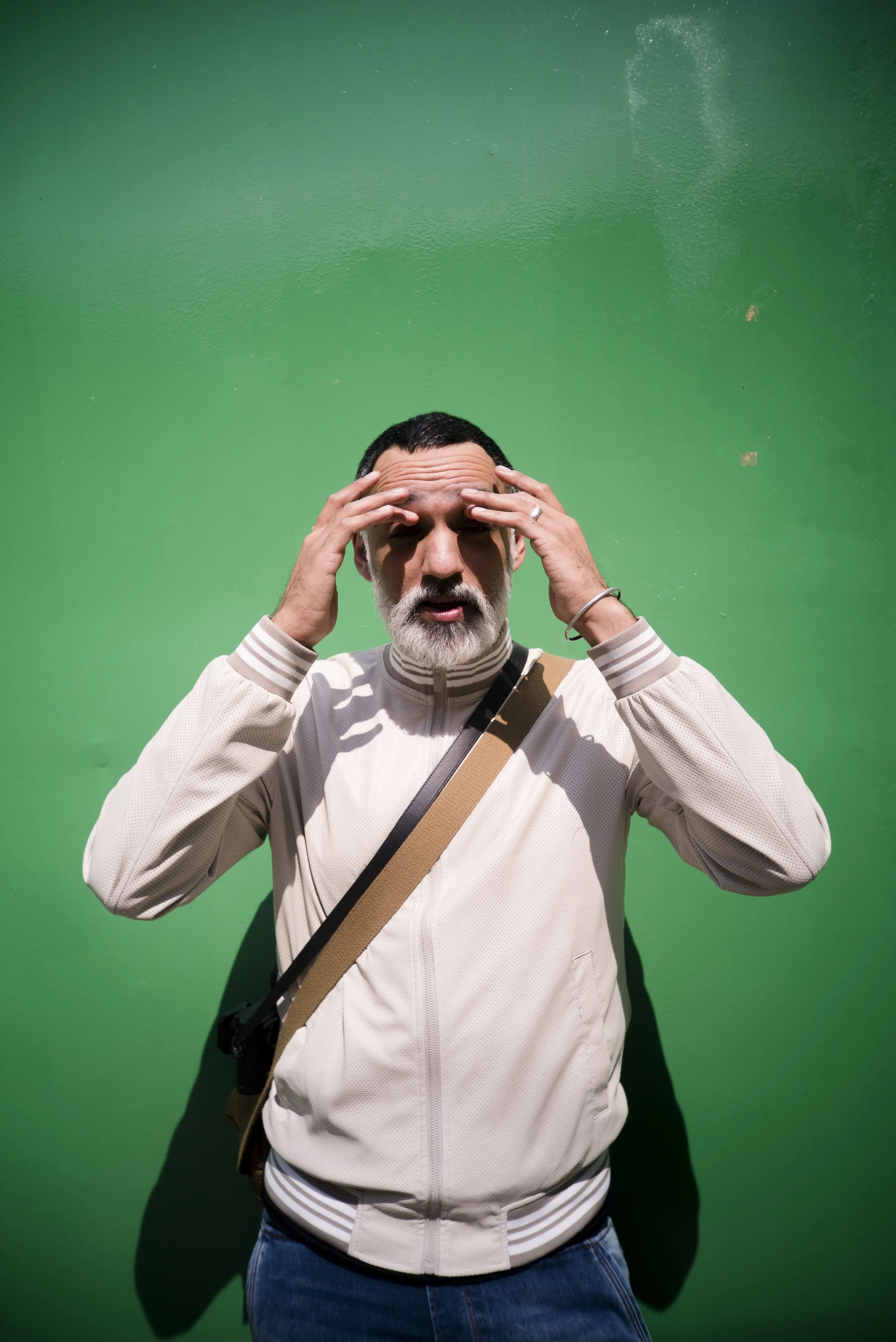
Rammy Narula came to photography through an unsettled period in his life. He was born and raised in Bangkok, in a close Sikh community with deep roots in trade, family, and tradition. For a long time, the path in front of him was clear. He worked in the jewelry trade, and in his early thirties a period of poor health prompted a long reconsideration of how he wanted to spend his time. Photography entered during that period, first as a way to be outside, then as a way to keep moving, and finally as a way to see.
His early work found an audience quickly. His photographs of Bangkok circulated widely, but that recognition brought its own pressure. The work that brought him back to himself was slower. He returned again and again to Hua Lamphong, the former Bangkok Central Train Station, eventually making the photographs that became Platform 10, published in 2016.
Since then, Rammy has also become known as a teacher. Through online workshops, critiques, and long conversations with photographers, he has developed an approach that is less about rules than trust. Having taken his workshop myself, I had some sense of this, but it was in talking with him that I understood how deliberately he avoids the role of final authority over someone’s work. Instead, he helps photographers notice what they already respond to, stay with it, and slowly become the authority of their own work.
I wanted to talk to him about what happens after someone first learns to make a photograph. Not the techniques, and not the breakthrough, but the slower question of how a photographer begins to recognize what is theirs. A few questions run through Rammy’s teaching: how do you build skill without losing intuition, learn from others without becoming them, and trust the work before the world has told you what it is worth?
© Rammy Narula
When a new student sends you their first photographs, can you already sense how they see? What reveals itself early, before technique catches up?
I can only sense that if I ask the right question that also helps me understand them. When someone comes to me, I ask them to show me their own favorite photographs. Not the photographs they think I will like. Not the photographs they think will impress me. I want to see what they like, what they are drawn to, what they keep trying to make work.
Because I think we sometimes do not trust ourselves. If I go to a portfolio review, I may choose the photographs I think the reviewer wants to see. So from the beginning, I try to prevent that situation. I ask people to bring photographs they like, even if they do not know why.
Then I can begin to see where the disconnect might be. Usually, we do not have an intuition problem, it is not always true of course, but we tend to know what we like. But instead we might have a trust problem, we find it hard to believe what we like is good enough, and then maybe a skill problem.
People already have things they are drawn to. They may not yet know how to make those things work photographically. That is where I feel I can help. Maybe they need to learn how to see and use color, or sequencing work they already made, or how to stay with a subject to build something. But the starting point is already there and my work is to spot it and have a conversation about it.
I believe there are no mistakes in what we are drawn to. There is trust or or lack of it, and then the question of what can we do about it.
© Rammy Narula
You often describe your role as teacher, coach, and sometimes mentor. How do you see the difference?
Teaching for me is more about concepts. It is standing in front of someone and helping them understand something. Sometimes it means showing exactly how something is done. I have something to pass on and I am passing it. There’s a direction to it, me to student. Coaching is different.
Coaching is me standing next to someone. I have taught the concepts, or they already know the concepts, and now need help to move from one place to another. I guide them, but I am not telling them where they have to go. The direction is theirs.
Mentorship is different again. A mentor is usually someone ahead on the same path you want to walk. With some photographers, if they want to make work in a way that is close to how I work, or develop using the same principles I use, then I function more as a mentor for them.
Most of the time, I think I am coaching. I am holding space after the teaching is done. If someone comes with work, we talk about the work. If they come without work, that is also part of the process. Maybe they are incubating. Maybe life is not allowing them to make photographs at that moment. That does not mean they have stopped being a photographer.
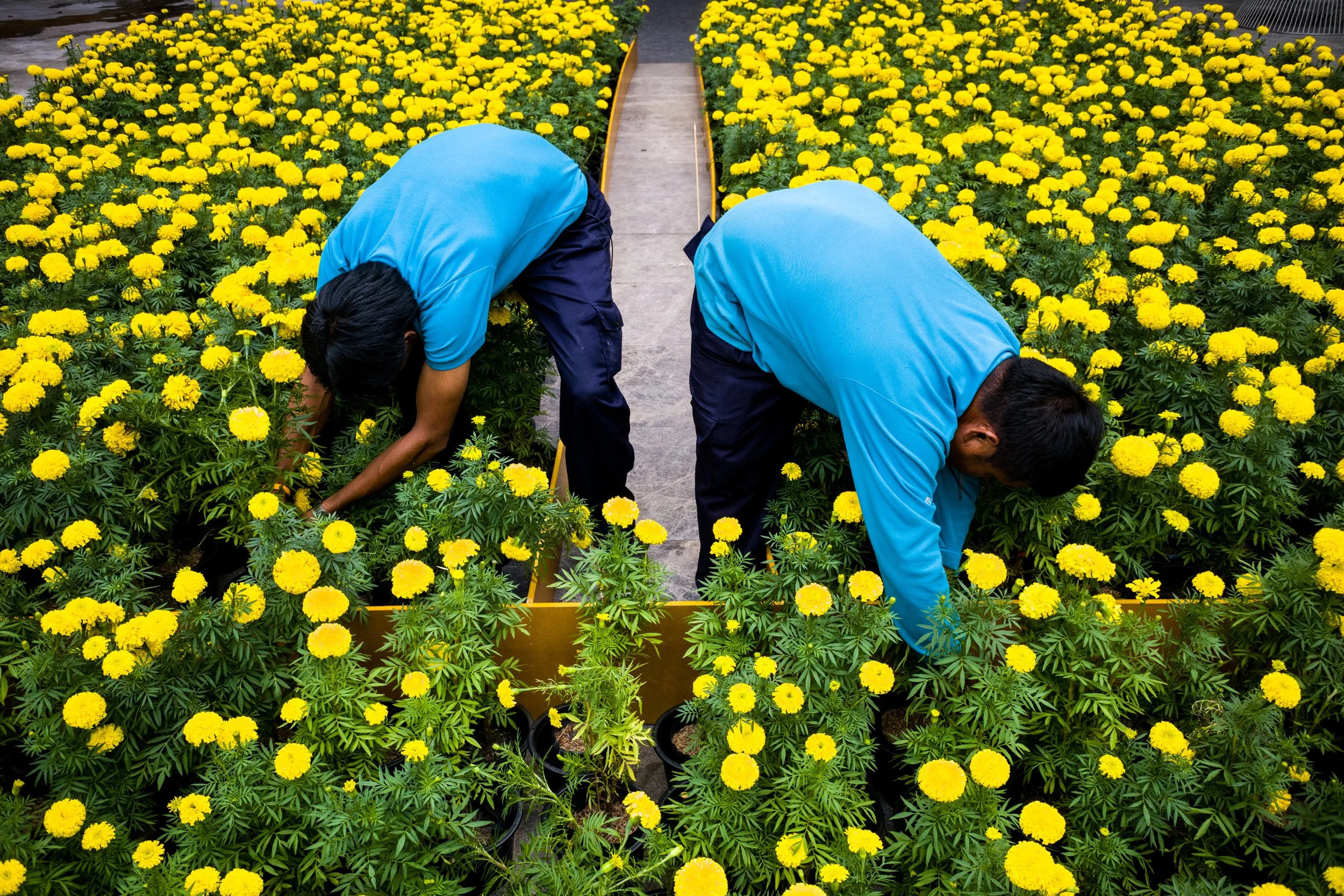
© Rammy Narula
In your workshops, you create a space that feels serious but not judgmental. How do you think about judgment in teaching?
The early days require no judgment. That is very important to me. If someone feels they are doing everything wrong at the beginning, they may stop. So in the beginning, I work to create a space where there is no right or wrong.
As the work progresses, I bring in another word: discernment. Discernment is being able to correct course without self judgment. It is like riding a bicycle. If I am about to fall, I put my foot down. If I think I’m going the wrong way, I adjust. But that does not mean I am bad. It does not mean the work is worthless.
I avoid saying something is good or bad. If you ask my opinion, I will tell you what I like. But when I say something is good or bad, I am claiming authority over you. When I say what I like, I am only claiming authority over myself. You are free to use that information however it fits with your goals.
That difference matters to me.
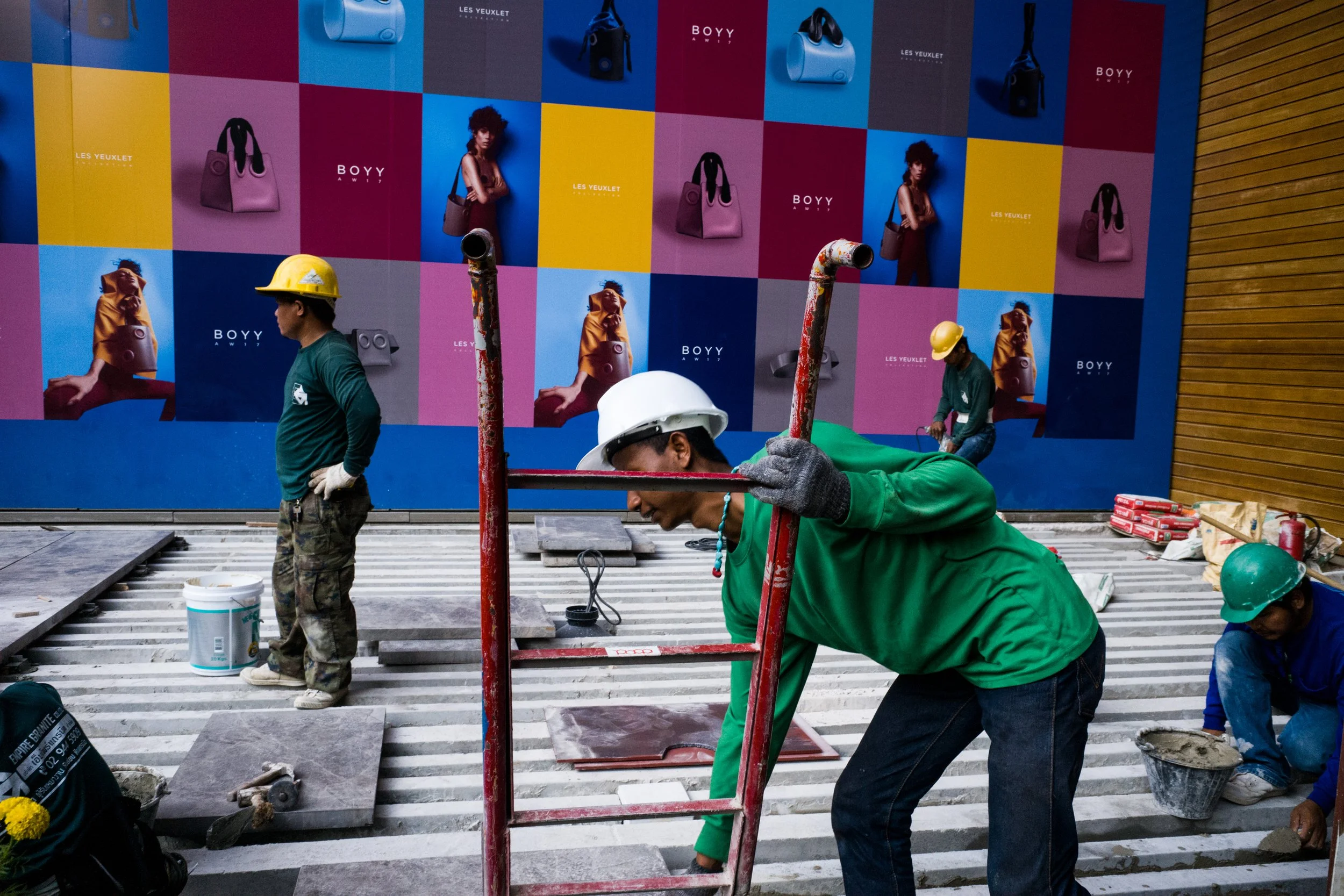
© Rammy Narula
You have said you do not want to be the final authority over someone else’s work. Where does that resistance come from?
I have seen what authority can do, in many forms. I have been inside structures with a strong sense of what I was supposed to be, and I felt cramped by that. I often felt I was doing something wrong, or that I was not worthy.
So in my work I do not want to become a sort of absolute authority figure in someone’s life. There is already enough authority out there: competitions, festivals, editors, galleries, collectives, publications. They all have their own authority in their own domain.
But I am not the end point of anyone’s journey. I am here to help people go where they want to go.
I do not want photographers to end with me.
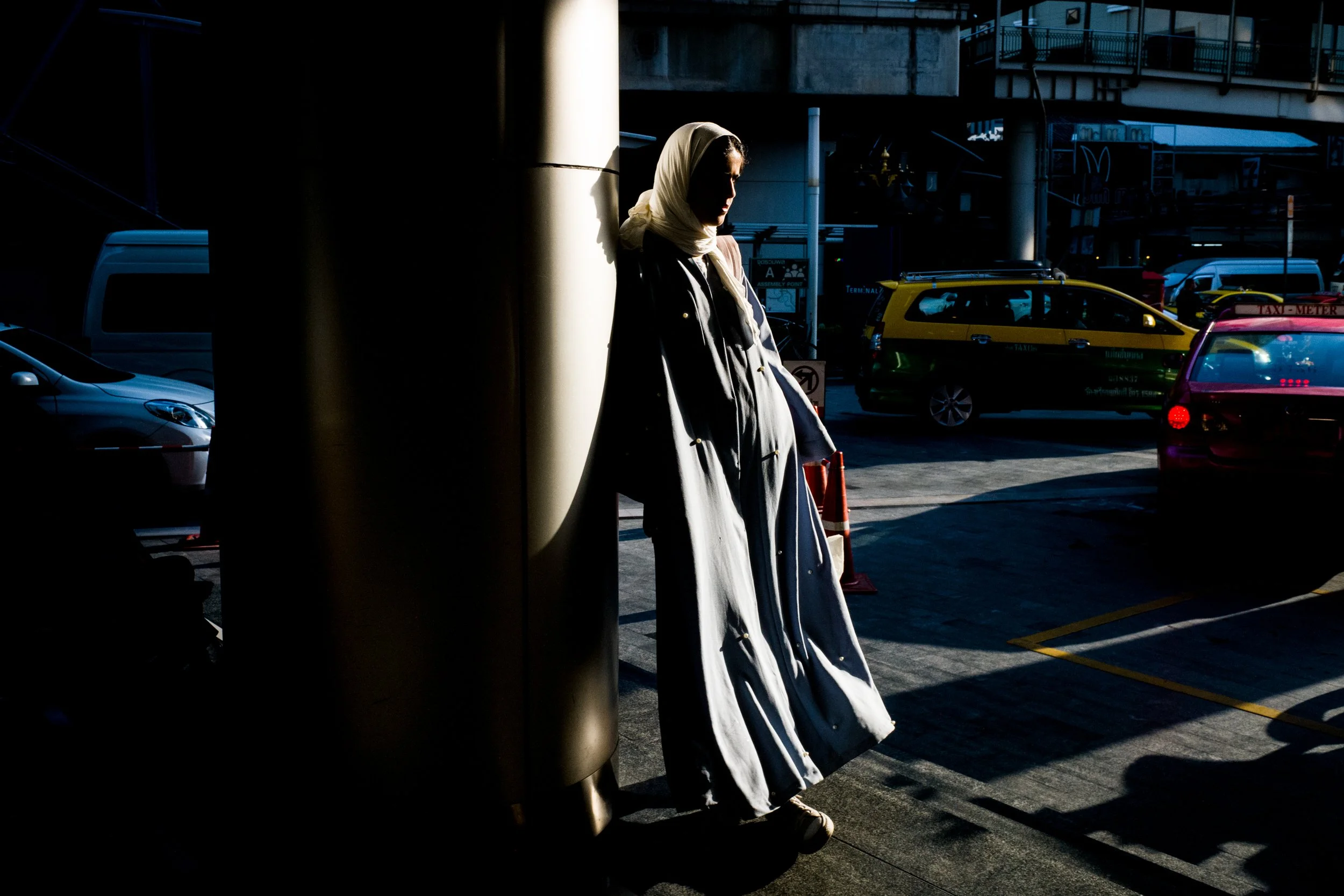
© Rammy Narula
In your workshops, you teach theory and show many examples from other photographers. How important is it for a photographer to know the history of street photography and look closely at other people’s work, and how do they learn from it without turning that looking into comparison?
I do not really show other photographers’ work to teach history. I show it because I think it helps people understand themselves better.
When I show a photographer’s work, I am not presenting myself as the central knowledge on that photographer. Instead, I am showing my interpretation. What I feel about their work. What I get from it. Then I encourage everyone to form their own interpretations. What do they like? What do they notice? What feels interesting and what might they want to return to?
I came to realize research was not only to know about photography. It became about knowing myself through photography. To avoid comparison, I came to understand that all the strong photographers have their own paths. They have their own subject matter, their own patterns, their own things that they keep returning to. They became who they are by following that path. So I study other photographers not to become them, but to recognize what matters to me. And I pass this idea and how I use it to people I work with.
There is value in copying something for a while. I definitely do that when I want to learn something new. Maybe you see how someone uses color, and you practice that. But then you bring that skill back to your own subject matter. That is how I think about building personal vision.
If I only showed my own work, students might become versions of me and they might not know who they are. I do not want that.
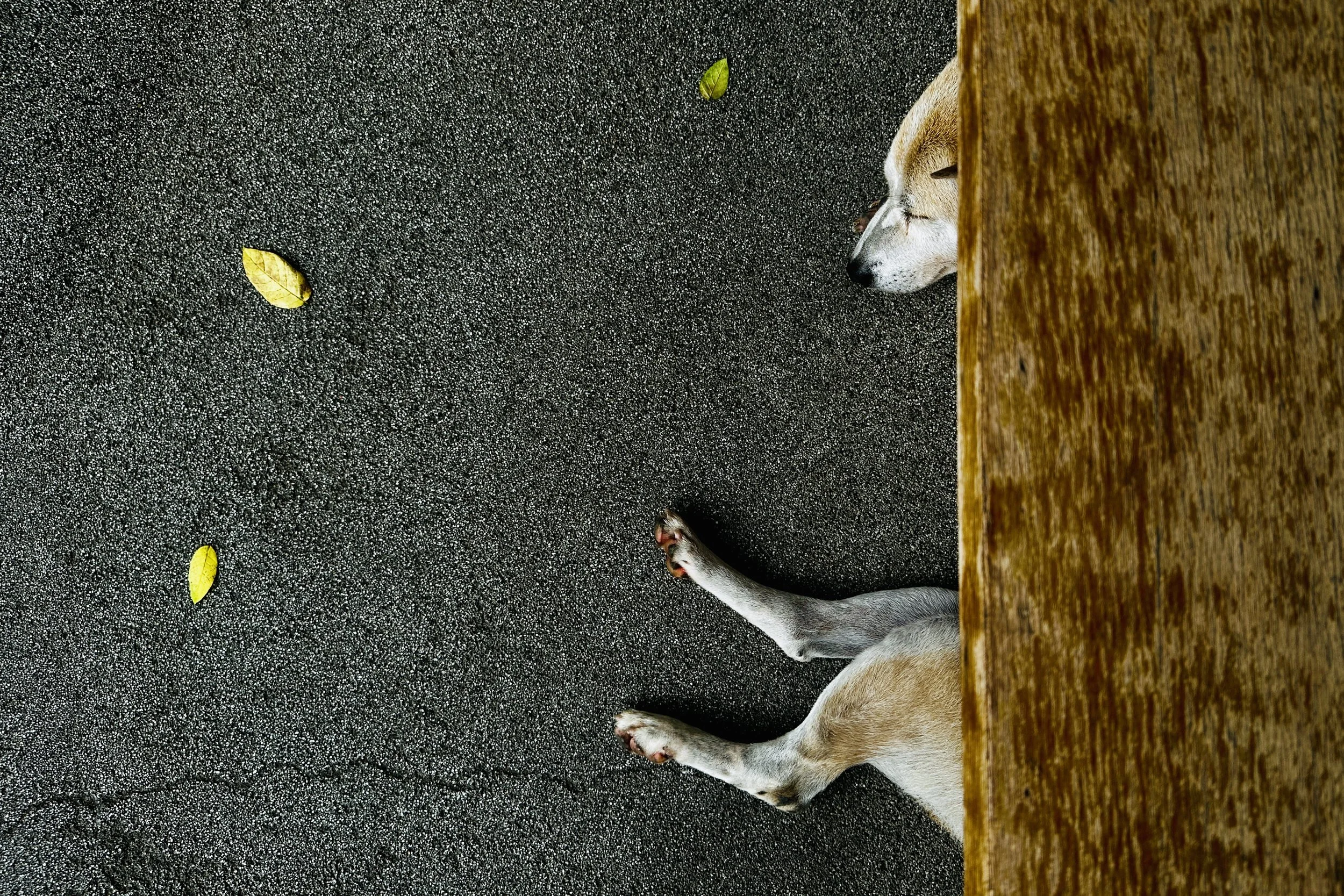
© Rammy Narula
You have talked about Platform 10’s success bringing you occasional self doubt. When you were making that work, nobody was waiting on your output. Your students publish to feeds, and to you. Does having an audience while you are still figuring something out help a photographer, or does it distort the work?
It depends on the person, because we all have different temperaments and different problems with social media. Some people thrive on it. They love connecting with others, and they can separate what they share online from the work they are developing privately.
But social media affects me. When I was making Platform 10, I knew that if I had posted the work online while making it, the project would not have turned out the same way. I would have been affected by how much people liked it.
So I think the answer is about knowing yourself. If social media affects you, and you want to build a longer term body of work, I would stay away from using it as a place to judge the work. Use it to connect with people. Use it to build an audience.
Use it to share something behind the scenes. But do not let the work you are trying to build be judged before it is ready, if you know that judgment will affect you.

© Rammy Narula
You said at the start that the issue is usually not what we’re drawn to but whether we trust it’s good enough. For a photographer still sitting in that doubt, what would you want them to know?
That’s a good question. I don’t know whether doubt can ever fully go away.
I would probably first ask myself where that doubt is coming from. Whether it’s an internal question or an external one. Am I doubting whether the work truly speaks to me? Or am I doubting whether it will be accepted by others?
If the doubt is internal, I would probably tackle it by asking what feels most true to me, and follow that. If I’m not sure I have the right skills, I’ll learn more about it. I’ll ask for help. But the key really is going with what I want my photography to be. This is, of course, a really hard thing to know when you are starting out!
If, however, the doubt is external, this is connected to whether I feel accepted by the world. Now I could change my work to match what other people might want, but at what cost? Can I live with it? And is there a guarantee that it will be accepted? Usually I end up feeling like it likely won’t be worth it in the long run. And I go ahead and do what feels most true to me.
Ultimately I find it helpful to see doubt not as a weakness or a sign that something is wrong, but instead as a strong signal that I care deeply about something and that I want to do it well. Having photography peers, mentors, or indeed a coach, can be pivotal in helping you understand this, and to keep going even when you don’t have all the answers.
Interviewed and written by Vica Rosario
Photos © Rammy Narula
.